Most arguments about deposits in Dublin are not about broken furniture. They are about cleaning: an oven, a shower screen, a carpet, a fridge that was switched off with the door closed. These are also the easiest deductions to avoid, because you know exactly what will be checked before anyone comes to check it.
This guide covers what the inspection focuses on, what a landlord is allowed to deduct, and how to leave the property so that a cleaning deduction has nothing to stand on.
What a landlord can deduct from a deposit
Under the Residential Tenancies Act, a landlord can keep part of a deposit only for specific reasons: unpaid rent, unpaid bills or charges the tenant was responsible for, and damage that goes beyond normal wear and tear. For any tenancy that started on or after 9 August 2021, the deposit is capped at one month's rent, so for many Dublin homes the sum at stake is somewhere between €1,500 and €2,500.
Cleaning sits in the "damage beyond normal wear and tear" category. A worn patch on a hallway carpet after three years is wear and tear. A carpet with a stain that was not there at check-in is not. A hob with ordinary use marks is wear and tear. A hob under a layer of burnt grease is a cleaning cost the landlord can pass on.
If you disagree with a deduction, the Residential Tenancies Board handles disputes, and the landlord has to show why money was kept. That is why the evidence you keep matters as much as the cleaning itself.
What inspectors look at first
Letting agents and landlords follow a pattern. In our experience of move-out cleans across Dublin, these are the first things opened, lifted or touched:
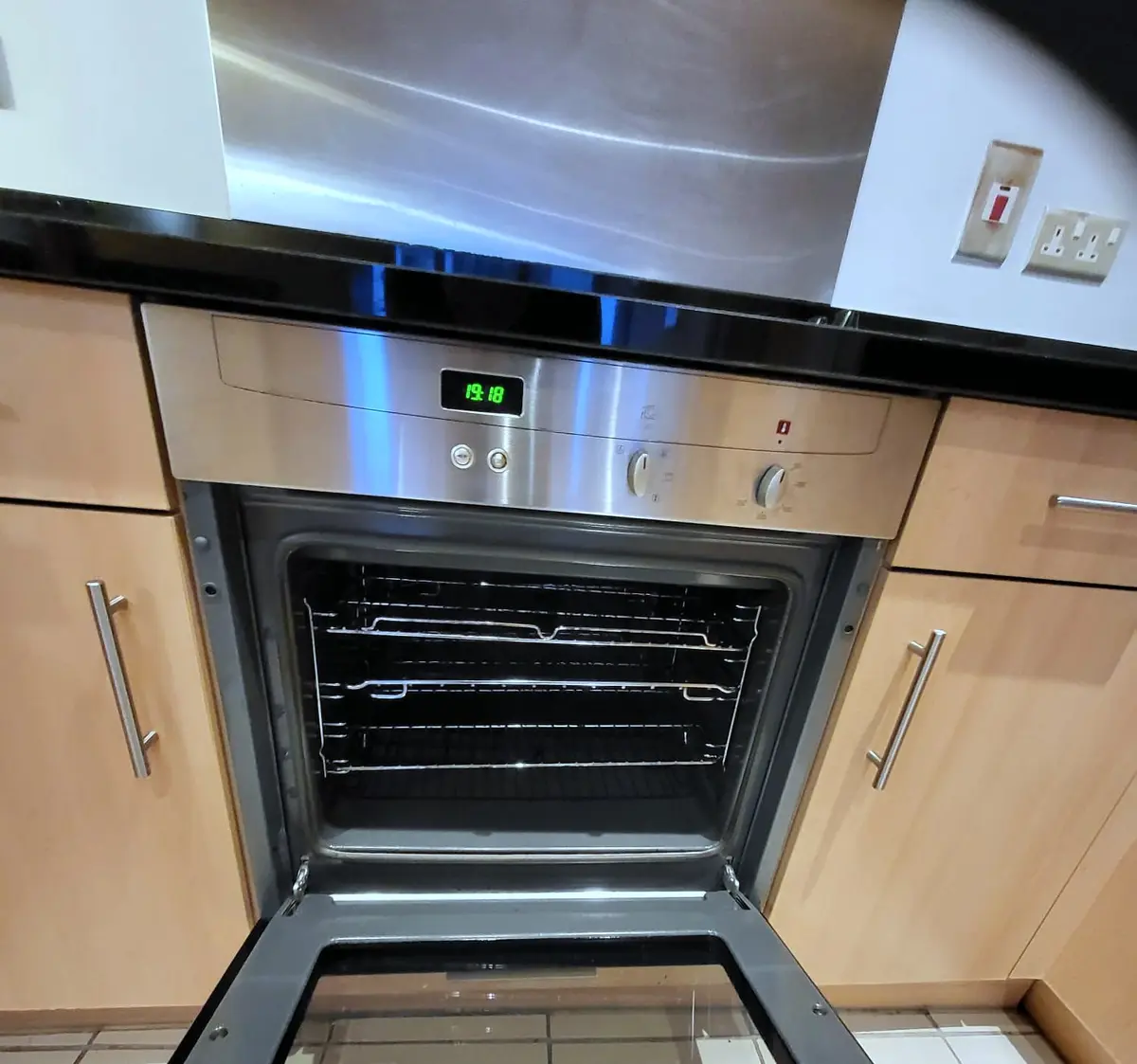
- The oven. Door glass, racks, the tray underneath and the inside of the door seal. This is the single most common cleaning deduction.
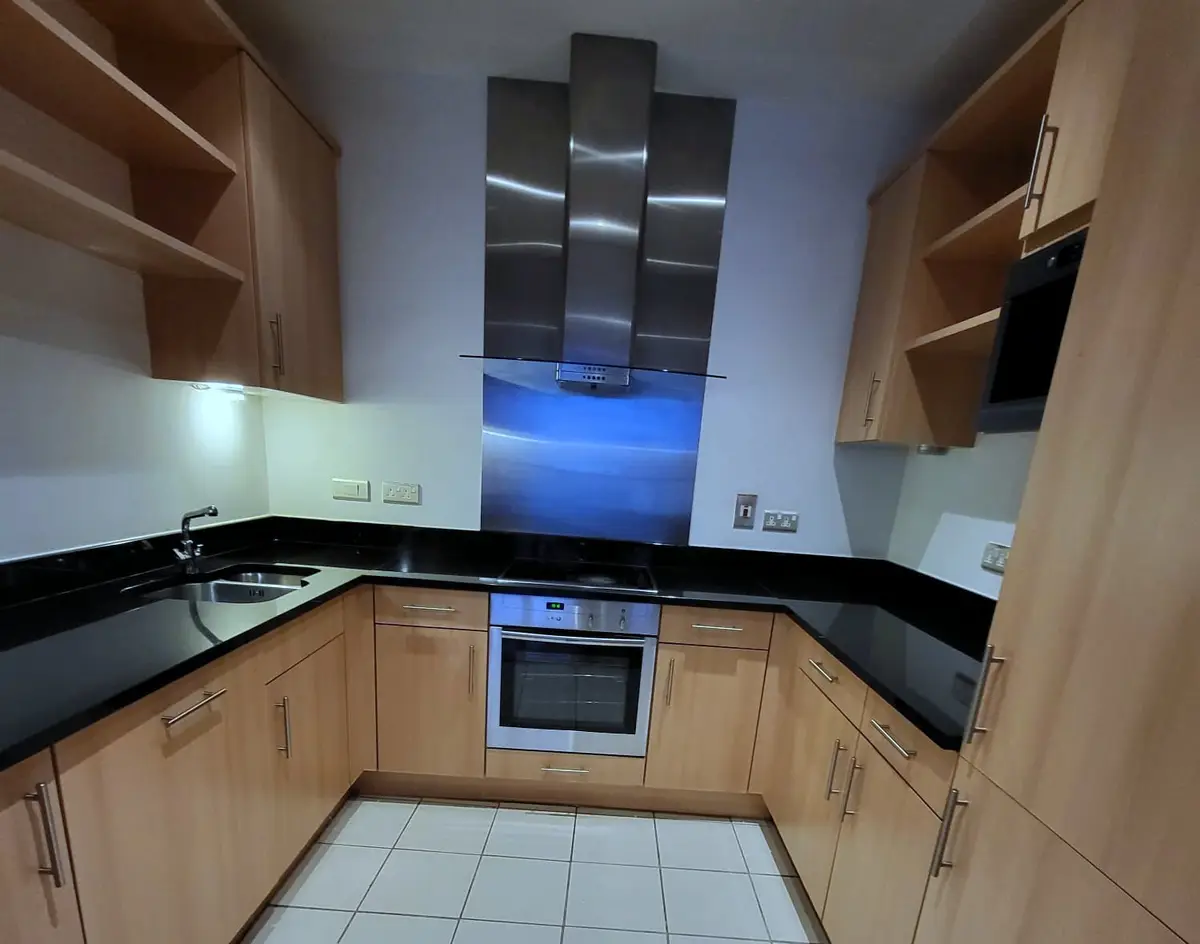
- The extractor hood and filters. Grease that is invisible from below is obvious the moment the filter is lifted.
- The fridge and freezer. Defrosted, dry, wiped, with the door left ajar. A freezer left switched off and closed will smell, and that smell is a deduction.
- Shower screen, taps and tiles. Limescale is the giveaway that a bathroom was wiped rather than cleaned.
- Inside cupboards and drawers. Crumbs, rings from bottles, a forgotten tin.
- Skirting boards, door frames and the tops of doors. Dust here tells the inspector nothing above eye level was done.
- Windows, sills and tracks. Especially in apartments where the balcony door track collects everything.
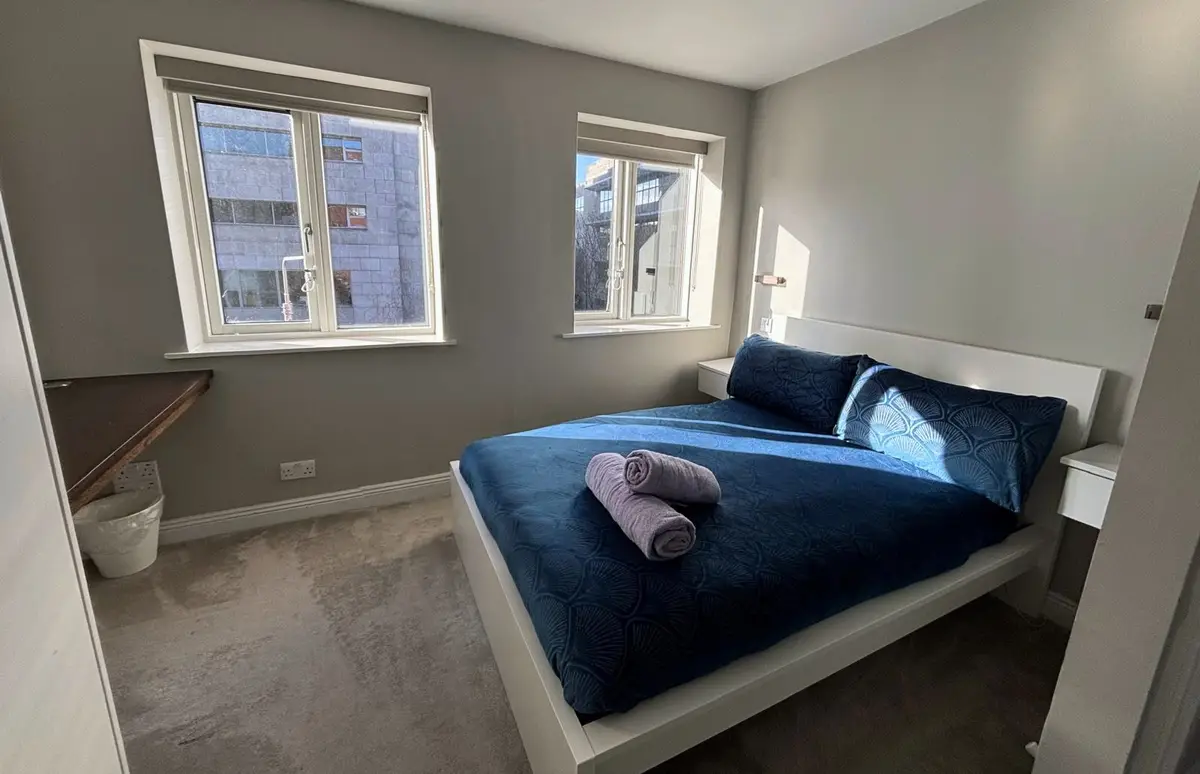
- Carpets and under the bed. Hoovered edge to edge, with nothing left where the bed used to stand.
- Walls. Scuffs, Blu Tack marks, picture hooks and nail holes. Small marks are usually wear and tear; a wall that needs repainting is not.
- Bins and the balcony. Empty, washed, nothing left behind.
The pattern is simple: an inspector checks the places people skip. If you clean those first, the rest of the property is rarely questioned.
Start with the check-in report
Before you clean anything, find the inventory or check-in report from the start of the tenancy and any photographs you took on the day you moved in. Those documents define the standard. You are not being asked to return the property better than you received it, only as you received it, less normal wear and tear.
If the oven was not spotless at check-in and you have a photograph that shows it, that photograph is worth more than any amount of scrubbing. If you did not take photographs at the start, the inspector's report is the only record, and a professional clean is the safer path.
A move-out plan that holds up
Two weeks before
- Read the tenancy agreement for any clause about professional cleaning, carpet cleaning or the condition at the end of the tenancy. If it asks for a professional clean, a receipt will be expected.
- Report anything already broken in writing, so it is on record before the inspection.
- Book the clean for after the removals, not before.
Moving day
- Get everything out, including the balcony, the attic space and the shed if there is one.
- Empty and defrost the fridge and freezer the night before.
- Take meter readings and photograph them.
After the removals
- The clean happens on an empty property. See the full end of tenancy cleaning checklist for what that means room by room.
- Return the property to its original layout if anything was moved.
- Replace any blown bulbs. It is a small thing that inspectors notice.
Before you hand back the keys
- Photograph every room, every appliance interior and every cupboard, with the date visible on your phone.
- Walk through with the agent if you can. Problems raised in person on the day are usually fixed on the day.
- Keep the cleaning receipt and the photographs together until the deposit has landed in your account.
Do it yourself or book a professional?
If the tenancy was short, the home is small and the check-in standard was ordinary, a careful day of your own cleaning can be enough. The checklist linked above is written for exactly that.
Book a professional when any of these apply:
- the tenancy agreement asks for a professional clean or carpet clean;
- the property is three bedrooms or more;
- the oven, extractor or bathroom limescale has built up over a year or more;
- you are moving on the same day and will not have the time;
- the agent is known to be strict, or the deposit is large.
The cost comparison is straightforward. An end of tenancy clean in Dublin is a fixed price by property size, from €220 for a one bedroom. We explain the figures in how much end of tenancy cleaning costs in Dublin. A single deduction for an oven and a carpet will usually cost more than that, because the landlord pays a company to do it and passes the invoice on.
If a deduction is made anyway
Ask for it in writing, itemised, with receipts for any work the landlord paid for. Compare it against the check-in report and your photographs. If you still disagree, the Residential Tenancies Board's dispute resolution service exists for exactly this situation, and a cleaning deduction without evidence rarely survives it.
Keep the tone practical. Most landlords want a quick, fair handover as much as you do, and a clean property with photographs to prove it makes that the easy option for everyone.
Frequently asked questions
Can a landlord deduct for cleaning if the property was clean?
Only if they can show it was not clean to the check-in standard. This is why your own dated photographs at the end of the tenancy are so important.
Do I have to pay for professional cleaning at the end of a tenancy?
Only if the tenancy agreement says so. Otherwise the obligation is to return the property in the condition you received it, less normal wear and tear, by whatever means you choose.
Is carpet cleaning normal wear and tear?
Ordinary foot traffic wear is. Stains, pet marks and smells are not, and a professional carpet clean is the usual fix. Keep the receipt.
How long does a landlord have to return the deposit?
The deposit should be returned promptly once the tenancy ends and the property has been handed back. If weeks pass without an explanation, put the request in writing and keep a copy.
What if I lost the check-in report?
Ask the agent for a copy. If none exists, the property is judged on reasonable condition, which is another reason to photograph everything at hand-back.
Leave nothing to argue about
BPE Cleaning Services carries out end of tenancy cleaning across Dublin and the surrounding counties, seven days a week, at a fixed price by property size. See the price list or request your price with the hand-back date, and the property will be ready for the inspection.